The Home Apothecary
Natural Remedies
A working shelf of botanicals, explained the way a knowledgeable friend would — what they're traditionally used for, how to prepare them, and how to build a routine around plant-based care instead of a cabinet of one-off products.
Botanical Ingredients
Get to know what's on the shelf
A short directory of the botanicals we reach for most. Search to find one by name.
Chamomile
A gentle evening tea, traditionally steeped to ease into rest.
Ginger Root
Warming and grounding — a favorite for settling an uneasy stomach.
Elderberry
A dark, tart syrup base people reach for through the colder months.
Peppermint
Bright and cooling — brewed after a heavy meal or a stuffy afternoon.
Lavender
Sachets, oils, or a pillow spray for winding a busy mind down.
Turmeric
Golden, earthy, and a familiar name in warm milk before bed.
Echinacea
A cold-season staple, often taken as a tincture at the first sniffle.
Rosemary
Sharp and green — a favorite folded into oils and morning rinses.

Seasonal Practices
Different botanicals for different months
Autumn calls for warming roots like ginger and turmeric; spring favors lighter, greener herbs like nettle and mint. We plan our remedy shelf the way a good pantry gets planned — a few staples year-round, and a handful of seasonal swaps.
Come the first cold snap, many households start an elderberry syrup and keep echinacea tincture within reach. By midsummer, the same shelf leans toward peppermint and lemon balm for heat and restlessness instead.
Home Wellness
Building a shelf you'll actually use
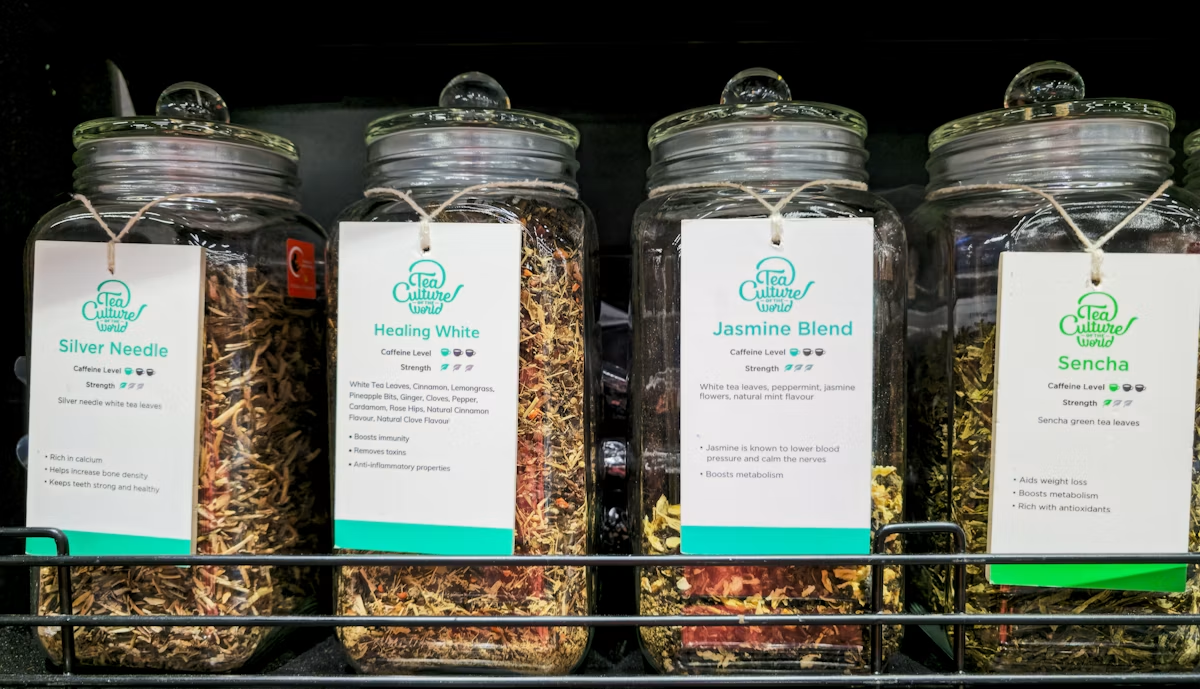
Start small: one calming tea, one warming root, one all-purpose salve. Store dried herbs in glass jars away from direct light, label them with the date they were bought, and replace anything that's lost its scent — that's usually a sign the potency has faded.
A simple rotation of three or four botanicals, used consistently, tends to matter more than a crowded cabinet of things tried once and forgotten.
Plant-Based Care
Common questions about getting started
Pick for the moments you already have — a calming tea for evenings, a warming root for an unsettled stomach, and a soothing salve for minor skin irritation. Three well-used botanicals beat a dozen untouched ones.
Keep them in airtight glass jars, out of direct sunlight, ideally in a cool cupboard rather than above the stove. Most dried herbs hold their character for six months to a year.
No. NatureCures shares lifestyle and educational content about traditional botanical practices — it isn't medical advice. Please speak with a healthcare provider about any health concern or before combining herbs with medication.
Yes — most of what we write about takes under ten minutes: steeping a cup, dressing a small cut with a salve, or adding a pinch of dried herb to a meal already being cooked.